
If you’ve recently found yourself typing what is an sti into a search bar at 2:00 AM, I want you to take a slow, deep breath. Maybe you’re feeling a little “off” physically, or perhaps a partner just sent you a text that made your heart drop. Whatever brought you here, please know this: you are not “dirty,” you are not irresponsible, and a lab result does not change your worth.
In my years as a sexual health educator, I’ve seen that the fear of the “label” is often much heavier than the infection itself. By clearing up the terminology and looking at the facts, we can take the “scary” out of the science and get you back to feeling in control of your own body.

The Linguistic Shift: Why We Say STI Instead of STD
You likely grew up hearing the term “STD” (Sexually Transmitted Disease). But lately, you’ve probably noticed us using “STI” (Sexually Transmitted Infection) instead. This isn’t just medical hair-splitting; it’s an intentional move to be more kind—and more accurate.
So, what is an sti exactly? Biologically, it’s just an infection. Think of it like a sinus infection or a bout of strep throat; a tiny hitchhiker (a bacteria, virus, or parasite) has moved into your body.
The word “Disease” sounds permanent and scary, but most people with an infection never actually feel “sick” or show a single symptom. By using the word “Infection,” we acknowledge that these are often quiet, invisible, and—in many cases—easily treated. It’s something you have, not a reflection of who you are.
“What Most Sexual Health Guides Don’t Tell You”
Most guides focus strictly on the biology of transmission, but they miss the emotional recovery. When you get a positive result, the “medical” part is often just a pill or a cream. The “human” part—reclaiming your confidence in the bedroom—is what takes work.
What experts rarely mention is that an STI diagnosis can actually be a catalyst for better intimacy. It forces a level of radical honesty with your partners that many “healthy” couples never achieve. Once you’ve navigated a health check-in together, the superficial barriers drop, and true trust begins.
The Wellness Checklist: What to Do if You’re Worried About Exposure
If you think you might have been exposed, the “waiting game” is the hardest part. Instead of spiraling into a Google Image search, try this practical path:
- Check the “Window Period”: Your body needs time to react to an infection before a test can “see” it. If you test the day after a hookup, you’ll likely get a negative result even if you were exposed.
- Notes, Not Diagnoses: Notice a little itch? Write down when it started. This is gold for your doctor.
- Hit the Pause Button: To protect your partners, take a break from sexual contact until you’ve got your results in hand.
Real-Life Nuance: It’s More Common Than You Think
Example 1: The Asymptomatic Surprise Sarah and Jordan had been exclusive for a few months when Sarah went in for a routine check-up. She felt great, but tested positive for Chlamydia. Because they had built a relationship on honesty, they realized either could have carried it for years. They both took treatment, waited a week, and it was over.
Example 2: Living with a “Status” David was diagnosed with HSV-2 (Herpes) and felt like his dating life had hit a dead end. But as he learned more, he realized that by taking a daily pill and being upfront, most partners were just impressed by his maturity.
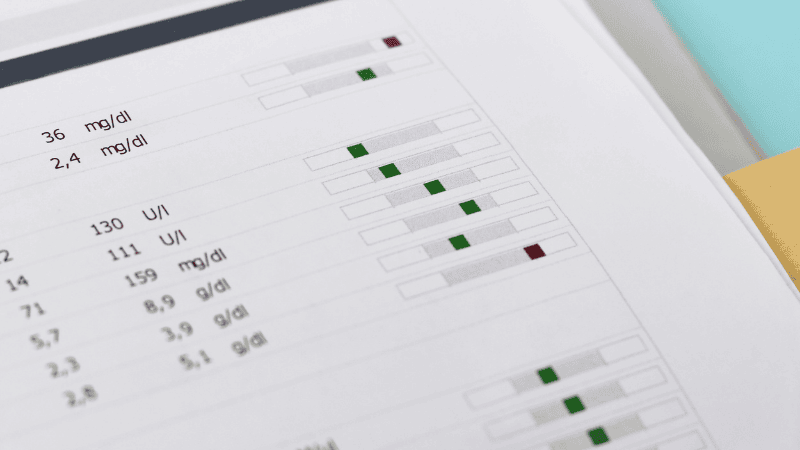
(Options You Can Consider)
Taking care of yourself is a lot easier when the tools don’t feel clinical and cold.
What Might Work for You: At-Home Testing
If the thought of a waiting room makes you cringe, at-home kits are a lifesaver. You collect your sample privately and mail it to a lab. It’s discreet and removes the “embarrassment” barrier.
Quality Protection
Investing in well-made, highly lubricated condoms or dental dams makes a difference. When protection feels good, you’re much more likely to use it consistently.
What Might Work for You: Flora Support
Sometimes treatment can leave your body feeling “off.” Keeping gentle, pH-balanced wipes or specialized probiotics in your cabinet can help support your natural flora as you recover.
Critical Safety & Risk Awareness
Understanding what is an sti requires an honest look at how we protect ourselves and others.
- Safe Usage: If you are using at-home tests, ensure the lab is CLIA-certified. When using barriers, always check the expiration date and for an air-cushion in the foil.
- Risk Awareness: Be aware that “asymptomatic” does not mean “non-transmissible.” You can pass an infection to a partner even if you feel 100% fine.
- When to Seek Professional Advice: If you have a high fever, severe pelvic pain, or sores that won’t heal, skip the internet and go straight to a clinic or your primary doctor. Some infections, if left untreated, can lead to pelvic inflammatory disease (PID) or fertility issues.
FAQ: The Questions You’re Probably Thinking
Can I get an STI from oral? Yes, infections like Syphilis or Gonorrhea can live in the throat. Using a flavored barrier is a great way to stay safe.
Is Herpes an STI or an STD? Technically, it’s an STI. Most people have the infection but only rarely experience a “disease” state (an outbreak).
How long after a scare should I wait to test? Give it at least 7–14 days for bacterial infections. For HIV or Syphilis, a follow-up at 3 months is often recommended for total certainty.
My partner tested negative, but I’m positive. How? Testing is a snapshot. Bodies are different, and sometimes one person’s viral load is just below the detectable limit. Both partners should usually be treated.
Are STIs curable? Bacterial infections (like Chlamydia) are curable with antibiotics. Viral infections (like HIV or Herpes) are treatable and manageable, allowing you to live a long, healthy life.

Ultimately, learning what is an sti is about stripping away the shame. Being sexually active is a normal part of being human. By staying informed, you aren’t “managing a problem”—you’re practicing a really high form of self-love and respect.
Hi, this is a comment.
To get started with moderating, editing, and deleting comments, please visit the Comments screen in the dashboard.
Commenter avatars come from Gravatar.