

You still care about your partner. You are not unhappy. Nothing is obviously wrong — and yet the desire simply is not there anymore. You find yourself wondering when it changed, or whether something is wrong with you, or whether this is just what happens and you need to accept it.
It is not something you feel comfortable bringing up at your annual appointment. It does not feel serious enough to warrant a phone call. So instead, you search quietly, late at night, hoping to find an explanation that actually makes sense.
Low libido in women is the most commonly reported female sexual health concern — and one of the most consistently under-addressed. Not because it is untreatable, but because it is under-discussed. This guide is a medically grounded, plainly written resource covering the real causes of low sex drive in women, how hormones and life stage interact with desire, and what the evidence actually supports when it comes to addressing it.
Key Takeaways
- Low libido in women is almost always multifactorial — hormonal, psychological, relational, and lifestyle factors typically interact rather than operate independently.
- An estimated 10–15% of women meet the clinical criteria for hypoactive sexual desire disorder (HSDD), the most common form of female sexual dysfunction, according to research published in Obstetrics & Gynecology.
- Estrogen decline during perimenopause and menopause is one of the most significant hormonal drivers of reduced desire — but it is not the only one, and it is treatable.
- Low libido perimenopause is among the most under-discussed transitions in women’s health, despite affecting a substantial proportion of women in their 40s and 50s.
- Certain medications — including some antidepressants and hormonal contraceptives — are a frequently overlooked but common cause of reduced sexual desire.
What Low Libido in Women Actually Means
Sexual desire exists on a spectrum, and that spectrum is different for every woman. There is no universal threshold that defines “normal” libido — desire fluctuates across the menstrual cycle, across life stages, and across different relationship contexts. This variability is expected and healthy.
Low libido becomes a clinical concern when the reduction in desire is persistent, causes personal distress, and is not explained by another condition or relationship circumstance. The medical term for this is hypoactive sexual desire disorder (HSDD) — a diagnosis that requires both the absence of desire and the presence of distress. If reduced desire does not bother you and is not affecting your life, it does not require intervention.
What matters most is whether the change from your own baseline — not anyone else’s — is causing you concern. That is the threshold worth paying attention to.
Why Do Women Lose Interest in Sex? The Real Causes
Low sex drive in women is almost never caused by a single factor. In the majority of cases, multiple contributors are active simultaneously — which is why the most effective approach to treatment is identifying the specific combination driving the concern, rather than applying a generic solution.
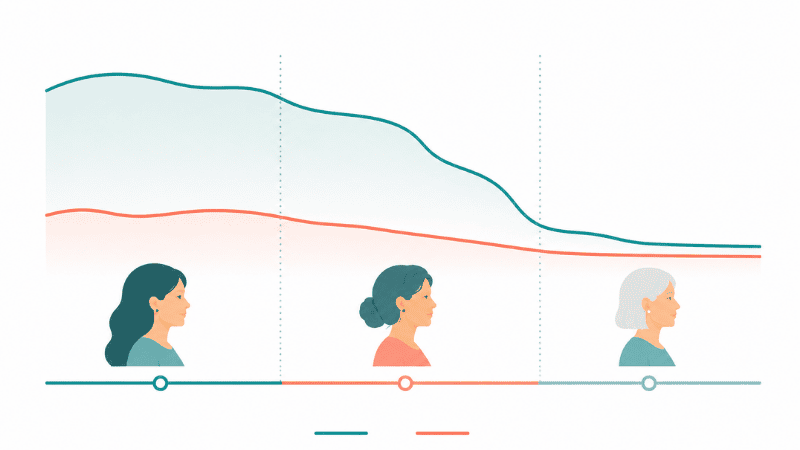
Hormonal Changes: The Most Common Physiological Cause
Estrogen plays a central role in sexual desire, vaginal lubrication, and the physical comfort of sexual activity. When estrogen levels decline — whether due to perimenopause, menopause, the postpartum period, or breastfeeding — the effects on libido can be direct and significant.
Testosterone, while primarily discussed in the context of male health, also plays an important role in women’s sexual desire. Women produce testosterone in the ovaries and adrenal glands, and declining levels — which occur naturally with age and more sharply after menopause — are associated with reduced sexual interest and responsiveness.
Thyroid dysfunction is a frequently overlooked hormonal contributor to low libido in women. Both hypothyroidism (underactive thyroid) and hyperthyroidism (overactive thyroid) affect energy, mood, and hormonal balance in ways that directly suppress sexual desire. Thyroid disorders affect women at five to eight times the rate of men, and they are frequently underdiagnosed or attributed to other causes.
Low Libido Perimenopause: A Transition That Deserves More Attention
Perimenopause — the hormonal transition phase that typically begins in the mid-to-late 40s — involves fluctuating and eventually declining estrogen and progesterone levels. The effects are wide-ranging: irregular cycles, sleep disruption, vasomotor symptoms, mood changes, and, very commonly, a meaningful reduction in sexual desire.
Low libido in perimenopause is one of the most consistently under-addressed women’s health concerns. Many women attribute the change to stress or relationship issues, not recognizing it as a physiological transition with identifiable causes and effective management options.
What makes perimenopausal libido changes particularly complex is that they often compound: declining estrogen leads to vaginal dryness, which makes sexual activity uncomfortable, which creates avoidance, which reduces desire further. Interrupting this cycle — rather than waiting for it to resolve on its own — is both possible and worthwhile.
Psychological Factors: Depression, Anxiety, and Performance Pressure
Mental health and sexual desire are deeply interconnected. Depression is directly associated with reduced libido — and the relationship is bidirectional, because low libido can itself contribute to feelings of inadequacy and relational disconnection that worsen mood over time.
Anxiety, particularly performance anxiety or anxiety about the quality of sexual experience, can actively suppress desire before and during sexual activity. Chronic generalized anxiety maintains elevated cortisol levels, which suppresses the hormonal signaling associated with sexual desire.
Body image concerns represent a specific and underacknowledged psychological contributor. Research consistently shows that how a woman feels about her own body affects her willingness to engage in and enjoy sexual activity — independently of her partner’s perception of her.
Medications: A Frequently Missed Cause
Certain medications significantly affect sexual desire in women, and this side effect is not always disclosed or discussed during prescribing conversations.
Selective serotonin reuptake inhibitors (SSRIs) and serotonin-norepinephrine reuptake inhibitors (SNRIs) — widely prescribed antidepressants — are among the most common pharmaceutical causes of reduced libido in women. The mechanism involves serotonin’s inhibitory effect on dopamine pathways associated with desire and arousal.
Hormonal contraceptives, including combined oral contraceptive pills, affect libido in a subset of women — partly through direct hormonal effects and partly through increases in sex hormone-binding globulin (SHBG), which reduces the availability of free testosterone. This effect is not universal, but it is real and worth evaluating if a noticeable change in desire followed the initiation of hormonal contraception.
Other medications that may affect libido include certain antihypertensives, antihistamines, and medications used for anxiety or epilepsy. A medication review with your prescribing physician is a straightforward first step if the timing of libido changes correlates with starting a new medication.
Relationship and Relational Context
For many women, sexual desire is responsive rather than spontaneous — meaning it arises in the context of intimacy and connection rather than preceding it. This is a recognized and clinically significant pattern, not a deficiency.
In a relationship context, this means that the quality of emotional connection, the presence of unresolved conflict, the experience of feeling heard and valued, and the overall sense of relational safety all directly affect desire. Addressing low libido in women without considering the relational context often produces limited results.
This does not mean relationship problems are the default explanation — they are one factor among many. But they are a factor that deserves honest evaluation, and one that couples therapy or sex therapy can address effectively.
Chronic Stress and Sleep Deprivation
Chronic psychological stress maintains elevated cortisol levels, which directly suppresses the hormonal pathways involved in sexual desire. This is a physiological mechanism, not a matter of motivation or prioritization.
Sleep deprivation compounds this effect. Adequate sleep is required for the hormonal regulation that supports libido — including testosterone production, which occurs primarily during sleep. Women who are chronically sleep-deprived frequently report reduced desire, and this is not coincidental.
The clinical implication is straightforward: treating stress and sleep deprivation as health priorities — rather than background conditions to be accepted — is a legitimate and evidence-supported component of addressing low libido.
Chronic Illness and Physical Health Conditions
Several chronic health conditions are associated with reduced libido in women, including type 2 diabetes, cardiovascular disease, autoimmune conditions, chronic pain syndromes, and polycystic ovary syndrome (PCOS). A 2024 systematic review in Human Reproduction Update found that sexual dysfunction, including low desire, is significantly more prevalent in women with PCOS than in the general population.
Chronic illness affects libido through multiple pathways simultaneously: physical fatigue, pain, medication side effects, altered body image, and the psychological burden of managing a long-term health condition all contribute.
How to Address Low Sex Drive in Women: Evidence-Based Approaches
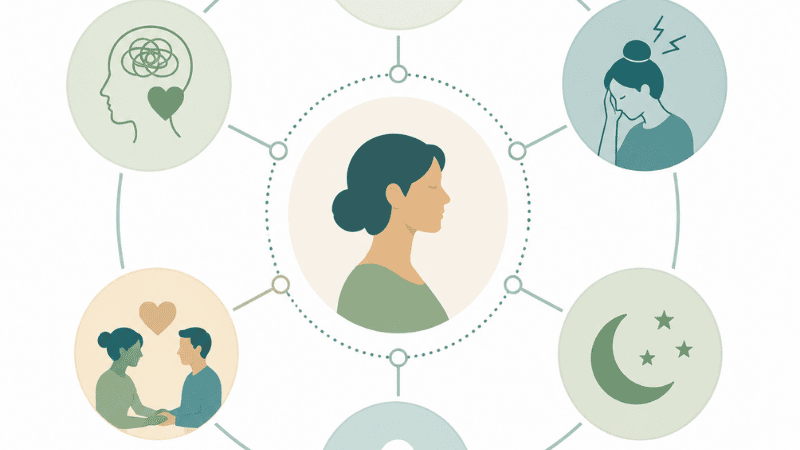
Step 1: Identify the Primary Driver
Effective treatment begins with identifying which factors are most active in your specific situation. This requires an honest self-assessment across the categories above — hormonal, psychological, relational, lifestyle, and pharmaceutical — and in many cases, a clinical evaluation to rule out or confirm hormonal or medical causes.
A blood panel checking thyroid function, estrogen, testosterone, and other relevant hormones can identify physiological contributors that would not be apparent otherwise. This is a routine clinical evaluation, not a complex investigation.
Step 2: Address Lifestyle Factors First
For women whose low libido is primarily driven by stress, sleep deprivation, or sedentary lifestyle, evidence-based lifestyle interventions can produce meaningful improvement.
Regular aerobic exercise is the most consistently supported lifestyle intervention for libido. It improves cardiovascular function, reduces cortisol levels, enhances mood through endorphin and dopamine pathways, and improves body image — all of which contribute to sexual desire. The standard clinical recommendation of 150 minutes of moderate aerobic activity per week applies here.
Consistent sleep — both duration (seven or more hours) and quality — supports hormonal regulation in ways that directly affect desire. If sleep is disrupted by vasomotor symptoms (hot flashes, night sweats), addressing those symptoms through appropriate clinical management is part of addressing libido.
If you only have 10 minutes: Prioritize consistent sleep timing above all else. Irregular sleep schedules disrupt hormonal rhythms more than shortened sleep duration. A consistent wake time is the most impactful single sleep habit.
Step 3: Review Medications With Your Prescribing Physician
If libido changes correlated with starting a new medication, a medication review is a logical next step. For women experiencing SSRI-related libido reduction, options include dose adjustment, switching to an antidepressant with a different mechanism of action, or adding an adjunctive medication. These conversations are routine for prescribing physicians.
Do not discontinue any prescription medication without medical guidance. The goal is an informed conversation about trade-offs and alternatives, not self-directed medication changes.
Step 4: Consider Hormonal Evaluation and Management
For women in perimenopause or postmenopause, estrogen decline is frequently the primary driver of reduced libido, and it is addressable. Low-dose vaginal estrogen, systemic hormone therapy, and non-hormonal options all have evidence bases, and the appropriate choice depends on individual health history, symptoms, and preferences.
Testosterone therapy for low libido in women is an active area of clinical research. Current evidence suggests benefit for postmenopausal women with HSDD, though it remains off-label in many countries. A physician specializing in women’s hormonal health can discuss whether this option is appropriate for your situation.
Step 5: Address the Relational and Psychological Dimensions
If psychological or relational factors are contributing — and they frequently are, even when hormonal factors are also present — professional support is both appropriate and effective.
Cognitive behavioral therapy (CBT) has a strong evidence base for addressing low libido driven by anxiety, depression, or negative thought patterns around sexuality. Sex therapy — conducted by a licensed therapist specializing in sexual health — addresses both individual psychological factors and relational dynamics in a structured, evidence-based framework.
If you’ve tried lifestyle changes and they haven’t helped: This is not a failure of effort. It is a signal that the primary driver is likely hormonal, pharmaceutical, or psychological — and that a clinical evaluation is the appropriate next step, not more self-directed attempts.
Warning Signs: When Low Libido Warrants Medical Attention
The following circumstances warrant a clinical evaluation rather than continued self-management:
- A sudden or significant change in desire with no identifiable lifestyle explanation
- Low libido accompanied by other symptoms — fatigue, mood changes, irregular cycles, or physical discomfort — that may indicate a hormonal or thyroid condition
- Libido changes that correlated with starting a new medication
- Pain during sexual activity that is contributing to avoidance and reduced desire
- Persistent low libido causing significant personal distress or affecting a close relationship, that has not responded to lifestyle modification
- Any concerns about depression or anxiety that may be contributing
A gynecologist, family physician, or sexual health specialist can evaluate these concerns through a combination of clinical history, physical examination, and targeted blood work.
Frequently Asked Questions
What are the most common causes of low libido in women? The most common causes include hormonal changes (particularly estrogen and testosterone decline during perimenopause and menopause), depression and anxiety, chronic stress and sleep deprivation, certain medications including SSRIs and some hormonal contraceptives, relationship dissatisfaction, and chronic health conditions. In most cases, multiple factors contribute simultaneously.
Is low libido in women related to hormones? Hormones play a significant role, but they are rarely the only factor. Estrogen and testosterone both contribute to sexual desire in women. Thyroid hormones also affect libido. Declining estrogen during perimenopause and menopause is one of the most common physiological contributors, but psychological, relational, and lifestyle factors are equally important to evaluate.
Why do women lose interest in sex as they get older? Age-related changes in estrogen and testosterone are significant contributors, particularly around perimenopause. However, age itself is not the cause — the hormonal transitions associated with aging are. Many women maintain robust sexual desire well into their 50s, 60s, and beyond with appropriate hormonal management and overall health investment.
Can antidepressants cause low libido in women? Yes. SSRIs and SNRIs — among the most commonly prescribed antidepressants — frequently reduce sexual desire as a side effect. This is a known pharmacological effect and is worth discussing with your prescribing physician if you notice a correlation. Options including dose adjustment, medication switching, or adjunctive treatment are available.
What is the difference between low libido and HSDD? Hypoactive sexual desire disorder (HSDD) is a clinical diagnosis that requires both a persistent reduction in desire and the presence of personal distress about that reduction. Low libido — a reduced interest in sex — does not meet the clinical threshold for HSDD unless it is also causing meaningful distress. Both are worth discussing with a physician, but the distinction affects treatment approach.
Does low libido perimenopause resolve on its own? Not consistently. For women whose reduced desire is primarily driven by estrogen decline, the change tends to persist or worsen without hormonal management — because the underlying hormonal shift continues. However, effective options exist, including local vaginal estrogen, systemic hormone therapy, and non-hormonal interventions. Waiting for perimenopausal libido changes to self-resolve is rarely the most effective approach.
How do I talk to my doctor about low libido? Being direct is more productive than waiting for your provider to bring it up. A simple opening — “I’ve noticed a significant change in my interest in sex over the past several months and I’d like to understand why” — is sufficient. Your physician has these conversations regularly. If you feel dismissed, you are entitled to seek a second opinion or request a referral to a specialist in women’s sexual health.
The Bottom Line
Low libido in women is common, it is multifactorial, and it is — in most cases — addressable. The most significant barrier is not the absence of effective options. It is the persistent pattern of women not raising the concern, providers not asking, and the change being normalized as something to accept rather than investigate.
Understanding the real causes of low sex drive in women — hormonal, psychological, relational, pharmaceutical, and lifestyle — is the starting point for addressing it effectively. If this guide has helped clarify what may be contributing in your situation, the next step is a direct conversation with your healthcare provider.
You do not have to have all the answers before making that appointment. You just have to make it.
References
- Shifren JL, et al. Sexual problems and distress in United States women. Obstetrics & Gynecology. 2008;112(5):970–978.
- Mayo Clinic. Low Sex Drive in Women: Symptoms and Causes. Updated March 2024. https://www.mayoclinic.org/diseases-conditions/low-sex-drive-in-women/symptoms-causes/syc-20374554
- Pastoor H, et al. Sexual function in women with polycystic ovary syndrome: a systematic review and meta-analysis. Human Reproduction Update. 2024;30(3):323–340.
- Clayton AH, Valladares Juarez EM. Female Sexual Dysfunction. Medical Clinics of North America. 2019;103(4):681–698.
- National Institutes of Health, National Library of Medicine. The Biological Basis for Women’s Health Through the Lens of Chromosomes and Hormones. https://www.ncbi.nlm.nih.gov/books/NBK612390/