

You notice it during sex — a discomfort that was not there before, a friction that makes you tense rather than relax. Or perhaps it is present throughout the day: a persistent itching or irritation that you have been quietly attributing to soap, or fabric, or dehydration, or stress. You have mentioned it to no one because it feels like a small thing, and yet it has been affecting you for weeks or months in ways that feel anything but small.
Vaginal dryness is one of the most common gynecological symptoms across all adult age groups — and one of the most consistently underreported. Many women assume it is either too minor to mention or too inevitable to address. Neither is accurate. Vaginal dryness has identifiable causes, responds well to both natural remedies and clinical treatment, and in many cases resolves significantly with the right approach.
This guide covers what causes vaginal dryness, which natural remedies have an evidence base behind them, the important distinction between vaginal moisturizers and lubricants, specific causes including birth control and postpartum changes, and when a clinical evaluation is the right next step.
Key Takeaways
- Vaginal dryness is not exclusively a menopause symptom. It affects women of all ages and can be caused by hormonal contraception, breastfeeding, stress, antidepressants, and other factors unrelated to menopause.
- Declining estrogen is the primary physiological driver in most cases — estrogen maintains the thickness, elasticity, and natural lubrication of vaginal tissue.
- Vaginal dryness natural remedies with the strongest evidence base include vaginal moisturizers (particularly hyaluronic acid-based formulations), adequate hydration, pelvic floor exercises, and avoiding known irritants.
- The distinction between vaginal moisturizers and lubricants is clinically important: moisturizers address the underlying tissue condition; lubricants provide temporary relief during sexual activity. Most women with persistent dryness benefit from both.
- A 2024 systematic review in Climacteric confirmed that vaginal dryness is significantly underreported and undertreated — with many women managing symptoms privately for years before seeking care.
What Causes Vaginal Dryness
Vaginal dryness occurs when the vaginal tissues do not produce or retain sufficient moisture to remain comfortable and healthy. The vaginal lining is normally kept lubricated by glands that respond to estrogen — the primary female sex hormone. When estrogen levels decline or fluctuate, this lubrication decreases and the tissue can become thinner, less elastic, and more easily irritated.
Understanding the specific cause in your situation is the starting point for effective management, because different causes respond to different approaches.
Hormonal Changes: The Primary Driver
Estrogen is the key hormone maintaining vaginal tissue health. When estrogen levels fall — for any reason — vaginal dryness is a predictable consequence.
Perimenopause and menopause are the most commonly discussed contexts for this change. As estrogen declines during the menopausal transition, vaginal tissue progressively thins and loses elasticity — a condition clinically termed genitourinary syndrome of menopause (GSM), formerly known as vaginal atrophy. Approximately 50% of postmenopausal women experience significant vaginal dryness, according to The Menopause Society. Unlike hot flashes, which often improve over time, GSM typically worsens without treatment.
The menstrual cycle also produces estrogen fluctuations that affect vaginal moisture throughout the month. Many women notice greater dryness in the days immediately before menstruation, when estrogen is at its cyclical low.
Breastfeeding suppresses estrogen production through the hormonal mechanism that inhibits ovulation. This means postpartum breastfeeding women frequently experience vaginal dryness that is physiologically similar to menopause — temporary, but significant.
Vaginal Dryness and Birth Control
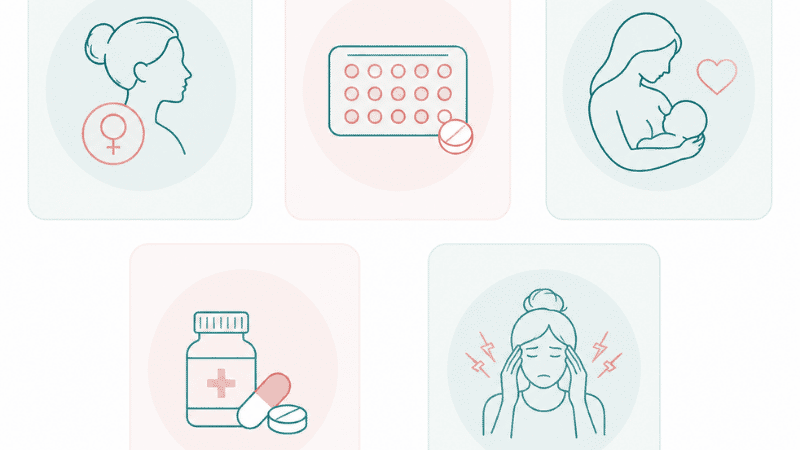
Hormonal contraception is one of the most common and least discussed causes of vaginal dryness in younger women. Combined oral contraceptive pills reduce circulating estrogen and increase sex hormone-binding globulin (SHBG), which reduces the bioavailability of both estrogen and testosterone — both of which contribute to vaginal lubrication and sexual arousal.
Injectable contraceptives (such as Depo-Provera), the hormonal IUD, and implants can produce similar effects in some women by suppressing ovarian hormone production.
If vaginal dryness developed or worsened after starting a hormonal contraceptive, this is a clinically recognized side effect worth discussing with your prescribing provider. Switching to a lower-dose formulation, a different progestin type, or a non-hormonal method may resolve or significantly reduce the symptom.
Vaginal Dryness After Pregnancy
Postpartum vaginal dryness is among the most common — and least discussed — experiences in the weeks and months following childbirth. The combination of dramatically reduced estrogen levels (especially in breastfeeding women), physical recovery from delivery, and sleep deprivation creates conditions in which vaginal dryness is nearly universal.
For most women, this improves gradually as hormonal levels normalize — more quickly in women who are not breastfeeding, more slowly in those who are. Vaginal moisturizers and lubricants are safe and effective during this period, and low-dose vaginal estrogen is also considered safe for postpartum and breastfeeding women when clinically indicated.
If vaginal dryness and discomfort during sexual activity persists beyond six months postpartum and is affecting your well-being or relationship, a gynecological evaluation is appropriate.
Medications That Cause Vaginal Dryness
Several commonly prescribed medications reduce vaginal lubrication as a side effect:
- Antidepressants — particularly SSRIs and SNRIs — are associated with reduced genital arousal and lubrication through their effect on serotonin pathways and dopamine signaling.
- Antihistamines — including over-the-counter allergy medications — reduce moisture throughout the body by their drying mechanism of action, which affects vaginal tissue as well as nasal passages.
- Certain chemotherapy drugs — induce early menopause or suppress ovarian function, leading to rapid and significant estrogen decline.
- Aromatase inhibitors — used in the treatment of hormone-receptor-positive breast cancer — directly suppress estrogen production and commonly cause significant vaginal dryness and discomfort.
If your vaginal dryness correlates with starting a new medication, a conversation with your prescribing physician about alternatives or management strategies is worthwhile.
Other Contributing Factors
- Sjögren’s syndrome — an autoimmune condition affecting moisture-producing glands throughout the body — can cause vaginal dryness alongside dry eyes and dry mouth as a primary feature.
- Chronic stress and anxiety — affect hormonal balance and can reduce genital arousal response, contributing to situational vaginal dryness.
- Smoking — reduces estrogen levels and impairs blood flow to vaginal tissue, increasing the risk and severity of dryness.
- Harsh personal care products — including fragranced soaps, douches, bubble baths, and certain laundry detergents — can strip the natural protective lining of vaginal tissue and cause or worsen dryness and irritation.
Vaginal Dryness Natural Remedies: What the Evidence Supports
Vaginal Moisturizers: The Most Effective Non-Prescription Option
Vaginal moisturizers are the most evidence-supported non-hormonal natural remedy for vaginal dryness. Unlike lubricants, which provide temporary relief during sexual activity, moisturizers are used regularly — typically two to three times per week — to maintain vaginal tissue hydration over time.
Hyaluronic acid-based vaginal moisturizers have the strongest evidence base among non-hormonal options. A 2024 study published in Climacteric confirmed that vaginal hyaluronic acid significantly improves tissue hydration, elasticity, and patient-reported symptoms of dryness and discomfort. Some research suggests its effectiveness is comparable to low-dose vaginal estrogen for symptom relief — a meaningful finding for women who cannot or prefer not to use hormonal treatment.
Vitamin E vaginal suppositories have supporting evidence from clinical trials for improving vaginal dryness and comfort during sexual activity, particularly in postmenopausal women.
Look for products specifically formulated for vaginal use, with a pH matched to the natural vaginal environment (approximately 3.8 to 4.5) and free from fragrances, parabens, and glycerin — which can disrupt the vaginal microbiome.
Lubricants: Important But Not a Substitute for Moisturizers
Water-based and silicone-based lubricants reduce friction and discomfort during sexual activity but do not address the underlying tissue condition. They are an important component of managing vaginal dryness — particularly for sexual comfort — but should be used alongside a regular moisturizer for ongoing symptom management, not instead of one.
Water-based lubricants are compatible with condoms and most sex toys, wash off easily, and are suitable for most women. Choose formulations without glycerin, which can promote yeast overgrowth in susceptible individuals.
Silicone-based lubricants last longer, are water-resistant, and are often preferred for their texture — but are not compatible with silicone-based products and can be harder to remove.
Oil-based products (including coconut oil and vitamin E oil) are sometimes used as natural alternatives, but are not compatible with latex condoms and may alter the vaginal pH. If you use barrier contraception, oil-based lubricants should be avoided.
Staying Hydrated
Adequate systemic hydration supports mucosal moisture throughout the body, including vaginal tissue. While hydration alone will not resolve clinically significant dryness, chronic dehydration can worsen it. The standard recommendation of six to eight glasses of water per day is relevant here.
Pelvic Floor Exercises and Regular Sexual Activity
Pelvic floor exercises improve blood flow to vaginal and pelvic tissues, which supports tissue health and natural lubrication. Regular sexual activity — including solo activity — similarly maintains blood flow and tissue responsiveness. Research published in Menopause in 2025 confirmed that regular sexual activity is associated with reduced vaginal dryness symptoms, likely through its circulatory and tissue-conditioning effects.
If you only have 10 minutes: Apply a vaginal moisturizer before bed two to three times this week. This single step, maintained consistently, produces measurable tissue improvement within four to six weeks and requires minimal time investment.
Dietary and Lifestyle Factors
A diet rich in omega-3 fatty acids (found in oily fish, flaxseed, and walnuts) has anti-inflammatory properties and is being studied for its potential role in supporting vaginal tissue health, though evidence remains preliminary. Phytoestrogens — plant compounds with weak estrogen-like activity, found in soy, flaxseed, and certain legumes — are sometimes used for menopausal symptom management, with mixed evidence for vaginal dryness specifically.
Avoiding smoking is one of the most impactful lifestyle changes for long-term vaginal health. Smoking reduces estrogen levels, impairs blood circulation to pelvic tissues, and is consistently associated with earlier menopause and more severe vaginal atrophy.
Vaginal Moisturizer vs Lubricant: Understanding the Difference
This is one of the most common sources of confusion for women managing vaginal dryness, and the distinction is clinically meaningful:
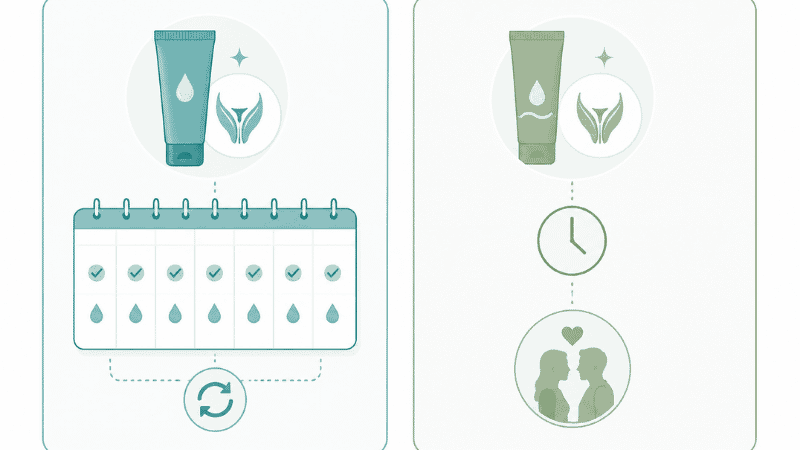
Vaginal moisturizer — used regularly (two to three times per week or as directed), not just during sexual activity. Works by binding to vaginal epithelial cells and maintaining tissue hydration over time. Addresses the underlying tissue condition. Think of it as skincare for the vaginal tissue.
Lubricant — used immediately before or during sexual activity to reduce friction and discomfort. Provides temporary relief but does not address tissue health over time. Essential for comfort during sex, but not a substitute for a moisturizer if dryness is persistent.
For women with ongoing vaginal dryness, both products serve distinct and complementary roles. Using only a lubricant during sex without addressing the underlying tissue condition is a common pattern that provides partial relief but does not resolve the problem.
If Natural Remedies Have Not Helped
For women with moderate to severe vaginal dryness — particularly those in perimenopause or menopause, or those with dryness caused by estrogen-suppressing medications — natural remedies and over-the-counter products may provide insufficient relief.
Low-dose vaginal estrogen (available as creams, tablets, suppositories, or a ring) is highly effective for GSM and vaginal atrophy. Because it is applied locally rather than systemically, the amount absorbed into the bloodstream is minimal — making it appropriate for many women who cannot use systemic hormone therapy. Current evidence supports its safety for long-term use in most women, including many who have had hormone-sensitive cancers (though this should be discussed with an oncologist).
Ospemifene — a selective estrogen receptor modulator taken orally — is an alternative for women who prefer not to use vaginal preparations.
Intrarosa (prasterone) — a vaginal DHEA suppository — is another prescription option that works by converting to estrogen and testosterone locally in vaginal tissue.
A gynecologist or women’s health provider can advise on which option is most appropriate for your individual situation, health history, and preferences.
Warning Signs: When to See a Doctor
The following situations warrant clinical evaluation rather than continued self-management:
- Vaginal dryness causing significant discomfort during daily activities, not just during sexual activity
- Persistent pain during sexual intercourse that has not improved with lubricants and moisturizers
- Vaginal bleeding after menopause, or bleeding after sex
- Unusual discharge — changes in color, consistency, or odor — alongside dryness
- Recurrent vaginal or urinary tract infections, which can be associated with estrogen deficiency and altered vaginal pH
- Vaginal dryness that developed in your 20s or 30s without an obvious cause such as hormonal contraception or breastfeeding
- Dryness that has not responded to consistent use of vaginal moisturizers over six to eight weeks
Frequently Asked Questions
What are the most effective vaginal dryness natural remedies? The most evidence-supported options are vaginal moisturizers — particularly hyaluronic acid-based formulations used regularly two to three times per week — adequate hydration, pelvic floor exercises, avoiding irritating personal care products, and not smoking. Regular sexual activity also supports vaginal tissue health through improved blood flow. These approaches address the tissue condition over time rather than providing temporary symptom relief.
Can vaginal dryness be caused by birth control? Yes. Hormonal contraceptives — including combined oral contraceptive pills, injectable contraceptives, and hormonal IUDs — can cause or worsen vaginal dryness by reducing circulating estrogen and increasing SHBG, which limits hormone availability. If dryness developed after starting hormonal contraception, this is worth discussing with your prescribing provider. Switching formulations or methods may resolve the symptom.
What is the difference between a vaginal moisturizer and a lubricant? A vaginal moisturizer is used regularly (not just during sex) to maintain tissue hydration over time — it addresses the underlying condition. A lubricant is used immediately before or during sexual activity to reduce friction. Both serve distinct roles, and women with persistent dryness typically benefit from using both rather than relying on lubricant alone.
Can vaginal dryness occur in young women? Yes. While most commonly associated with menopause, vaginal dryness can occur at any age. Common causes in younger women include hormonal contraception, breastfeeding, high-dose exercise reducing estrogen levels, antidepressant use, autoimmune conditions, and stress. If you are under 40 and experiencing persistent vaginal dryness without an obvious cause, a gynecological evaluation is appropriate.
How long does vaginal dryness last after pregnancy? Postpartum vaginal dryness typically improves as hormonal levels normalize — often within two to three months in women who are not breastfeeding, and gradually throughout the breastfeeding period in those who are. Vaginal moisturizers and lubricants are safe and effective during this time. If dryness and discomfort persist beyond six months postpartum, a gynecological evaluation is worthwhile.
Is vaginal dryness a sign of menopause? It can be, but it is not exclusively so. Vaginal dryness is one of the symptoms of the genitourinary syndrome of menopause (GSM), which becomes more prevalent during perimenopause and menopause. However, it can occur at any age due to the causes outlined above. The presence of vaginal dryness alone is not a reliable indicator of menopausal status.
Can vaginal dryness go away on its own? It depends on the cause. If vaginal dryness is caused by a temporary hormonal shift — such as the postpartum period or a short-term medication — it may resolve as the underlying cause resolves. If it is related to ongoing estrogen deficiency (as in menopause) or a persistent medication, it is unlikely to improve without active management. In either case, treatment significantly accelerates recovery and prevents the worsening that often occurs when GSM is left unaddressed.

The Bottom Line
Vaginal dryness is common, has identifiable causes, and responds to treatment — yet it remains one of the most consistently undertreated gynecological symptoms. Many women manage it privately for years, adjusting their behavior around the discomfort rather than addressing it directly.
The vaginal dryness natural remedies with the strongest evidence — particularly regular vaginal moisturizers, adequate hydration, and avoiding known irritants — are accessible, low-risk, and effective for mild to moderate symptoms. For women with more significant dryness, or where natural approaches have been insufficient, clinical options including low-dose vaginal estrogen offer highly effective relief with a strong safety record.
Your vaginal health is a legitimate aspect of your overall well-being, and discomfort that is affecting your daily life or intimate relationships deserves attention — not quiet accommodation.
References
- Mark JKK, et al. Vaginal dryness: a review of current understanding and management strategies. Climacteric. 2024;27(3):236–244.
- Edwards D, Panay N. Treating vulvovaginal atrophy/genitourinary syndrome of menopause: how important is vaginal lubricant and moisturizer composition? Climacteric. 2016;19(2):151–161.
- The Menopause Society. Menopause Topics: Sexual Health. https://menopause.org/patient-education/menopause-topics/sexual-health
- American College of Obstetricians and Gynecologists. Experiencing Vaginal Dryness? Here’s What You Need to Know. Updated February 2024. https://www.acog.org/womens-health/experts-and-stories/the-latest/experiencing-vaginal-dryness-heres-what-you-need-to-know
- National Health Service (UK). Vaginal Dryness. Last reviewed July 2025. https://www.nhs.uk/symptoms/vaginal-dryness/