

You notice it gradually, then all at once. The interest that used to arise naturally — a warmth, an openness, a pull toward intimacy — is simply less present than it used to be. Maybe it has been months. Maybe longer. You are not unhappy. You are not indifferent to your relationship. But something has shifted, and you are not entirely sure when it happened or whether it is permanent.
For many women in their late 30s and 40s, this is the first sign that perimenopause has begun — not a hot flash, not an irregular period, but a quiet change in sexual desire that arrives without announcement and without an obvious explanation.
Perimenopause libido changes are among the most commonly reported — and most consistently undertreated — aspects of this hormonal transition. This guide explains what is actually happening hormonally, why the changes feel the way they do, what evidence-based options exist for addressing them, and how to navigate this period in a way that supports both your physical health and your intimate relationships.
Key Takeaways
- Perimenopause typically begins in the mid-to-late 40s, though it can start earlier, and involves fluctuating and eventually declining estrogen and testosterone — both of which directly influence sexual desire, arousal, and physical comfort during sexual activity.
- Reduced libido during perimenopause is the most commonly reported sexual health concern in women during this life stage, affecting an estimated 40–50% of women in the perimenopausal and early postmenopausal years, according to The Menopause Society.
- Perimenopause low sex drive is almost always multifactorial — hormonal changes interact with sleep disruption, mood changes, vaginal discomfort, relationship dynamics, and psychological factors simultaneously.
- Evidence-based treatment options range from vaginal estrogen and systemic hormone therapy to non-hormonal interventions including pelvic floor physical therapy, lubricants, vaginal moisturizers, and psychological support — and the most effective approach usually combines more than one.
- Perimenopause sex drive changes are not permanent or inevitable. Many women report meaningful improvement in desire and sexual satisfaction with appropriate treatment — at any age during the perimenopausal transition.
What Is Perimenopause and Why Does It Affect Libido
Perimenopause is the hormonal transition phase that precedes menopause — the point at which menstruation has ceased for twelve consecutive months. It typically begins in the mid-to-late 40s, though it can start as early as the late 30s for some women. The transition lasts on average four to eight years, during which estrogen and progesterone levels fluctuate unpredictably before declining more consistently.
The connection between perimenopause and libido is direct and multidimensional. Estrogen and testosterone — both produced by the ovaries and adrenal glands — are the primary hormones involved in female sexual desire, arousal, and the physical experience of sexual activity.
Estrogen maintains the health and lubrication of vaginal tissue. As estrogen levels decline, vaginal tissue becomes thinner, less elastic, and produces less natural moisture — a process that can make sexual activity uncomfortable or painful, which in turn suppresses desire. This condition is clinically termed genitourinary syndrome of menopause (GSM) and affects an estimated 50% of postmenopausal women, with symptoms often beginning during perimenopause.
Testosterone — less discussed in the context of women’s health but equally relevant — plays a direct role in sexual desire and arousal. Women produce testosterone in the ovaries and adrenal glands, and levels decline with age and more sharply during the perimenopausal transition. Low testosterone in women is associated with reduced sexual interest, decreased arousal, and lower sexual satisfaction.
Beyond hormones, the perimenopausal experience involves sleep disruption (from night sweats and vasomotor symptoms), mood changes and increased anxiety, and the psychological adjustment of navigating a significant life transition — all of which affect sexual desire through overlapping pathways.
Perimenopause Low Sex Drive: What Is Actually Happening
Understanding perimenopause low sex drive as a physiological response — rather than a psychological failing or an indicator of relationship problems — is the essential first step toward addressing it effectively.
For many women, the most disorienting aspect of perimenopausal libido changes is that they arrive without a clear trigger. The relationship may be solid. Life may be broadly good. And yet desire has diminished in a way that feels disconnected from circumstances.
This is the hormonal mechanism at work. Fluctuating estrogen levels throughout the perimenopausal cycle affect serotonin, dopamine, and other neurotransmitters that influence mood and desire. Declining testosterone reduces the biological drive toward sexual interest. Sleep disruption from vasomotor symptoms — which affects an estimated 40–60% of perimenopausal women — depletes the energy and hormonal conditions that support desire.
The result is a cascade in which each factor compounds the others: hormonal changes reduce desire and cause vaginal discomfort, discomfort creates avoidance, avoidance reduces intimacy, and the distance from intimacy further dampens desire. Understanding this cascade makes it possible to interrupt it at multiple points — which is why multifactorial treatment approaches consistently produce better outcomes than single interventions.
Sex During Perimenopause: What Changes and What Does Not
Several aspects of sexual experience commonly change during perimenopause, and distinguishing normal variation from conditions that benefit from treatment helps clarify what action is appropriate.
What Commonly Changes
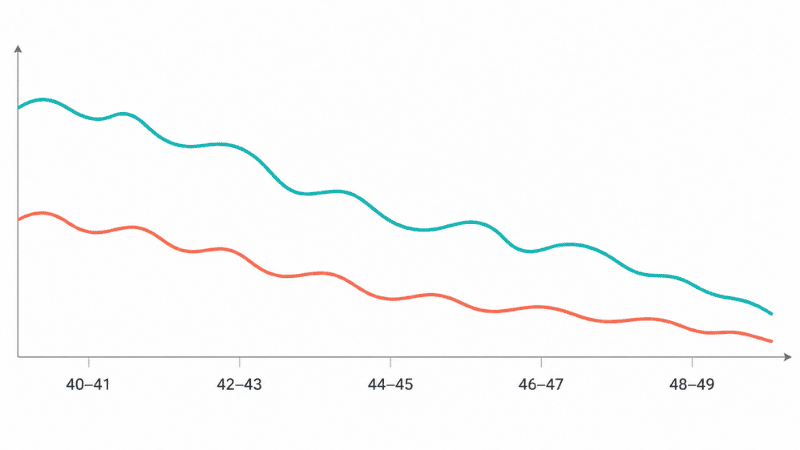
Arousal time — It typically takes longer to achieve the same level of physical arousal during perimenopause, as declining estrogen affects blood flow to genital tissue and the speed of the arousal response. This is a normal physiological change, not a sign of reduced attraction or interest.
Vaginal lubrication — Reduced estrogen leads to less natural lubrication, which increases friction during sexual activity. This is directly addressable with lubricants for immediate use and vaginal moisturizers for ongoing tissue health.
Orgasm quality and intensity — Some women report changes in the intensity or ease of orgasm during perimenopause. Pelvic floor physical therapy, which improves blood flow and neuromuscular coordination of the pelvic floor, has an evidence base for improving orgasmic function.
Desire pattern — Many women’s desire becomes more responsive (arising in the context of intimacy rather than spontaneously) during perimenopause. This is a recognized and normal pattern that differs from how desire may have functioned earlier in life — and one that responds to different approaches than spontaneous desire.
What Does Not Change
Sexual health, intimacy, and satisfaction are available throughout perimenopause and beyond. The changes described above do not inevitably diminish the quality of intimate life — they require a different approach, not an abandonment of expectation.
Perimenopause Painful Sex: A Common and Treatable Concern
Perimenopause painful sex — clinically termed dyspareunia — is one of the most direct consequences of estrogen decline and one of the most consistently undertreated. It affects an estimated 17–45% of perimenopausal and postmenopausal women, yet fewer than 25% discuss it with a healthcare provider.
The mechanism is straightforward: declining estrogen causes vaginal tissue to thin, lose elasticity, and produce less lubrication — a condition that makes friction during sexual activity painful. Over time, anticipated pain leads to reduced arousal, which reduces natural lubrication, which worsens pain. This is a cycle with a clear physiological cause and effective clinical interventions.
Vaginal lubricants — used during sexual activity — reduce friction and discomfort immediately. Water-based lubricants are compatible with condoms; silicone-based lubricants last longer and are preferred by many women for their texture.
Vaginal moisturizers — used regularly two to three times per week independent of sexual activity — maintain vaginal tissue hydration over time. Hyaluronic acid-based formulations have the strongest evidence base among non-hormonal options, with clinical data suggesting effectiveness comparable to low-dose vaginal estrogen for symptom relief.
Low-dose vaginal estrogen — applied locally as a cream, tablet, suppository, or ring — addresses the hormonal cause of vaginal atrophy directly rather than managing symptoms. Because it is applied locally, systemic absorption is minimal, making it appropriate for most women including many who cannot use systemic hormone therapy. Current clinical guidelines from The Menopause Society support its long-term safety and effectiveness.
→ Related: Vaginal Dryness: Causes, Natural Remedies, and When to Seek Treatment → Related: Pain During Sex: Causes, When to Seek Help, and Evidence-Based Solutions
Perimenopause Sex Drive Increase: Evidence-Based Approaches
While perimenopause often brings a decrease in libido, effective interventions exist for addressing perimenopause low sex drive — and many women experience meaningful improvement with the right combination of approaches.
Hormonal Approaches
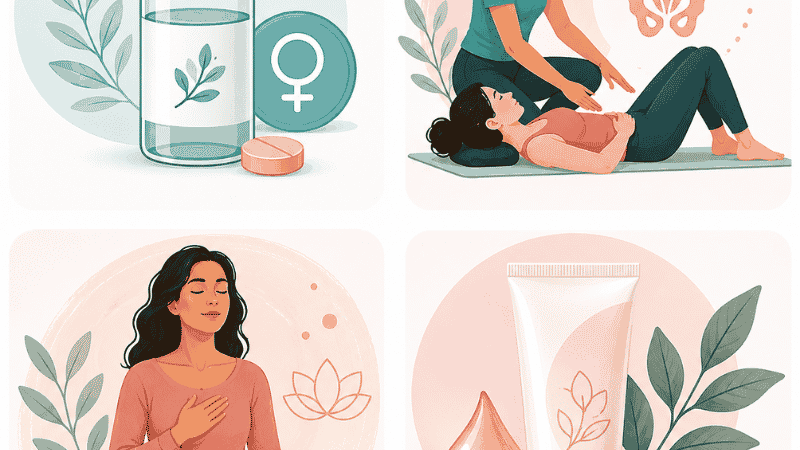
Systemic hormone therapy (HT) — including estrogen alone or combined estrogen-progestogen therapy — addresses the underlying hormonal changes of perimenopause and can improve libido, mood, sleep, and physical comfort during sexual activity. The decision to use systemic hormone therapy should be made with a healthcare provider based on individual health history, symptom severity, and personal preferences.
Testosterone therapy — for women with low libido specifically related to testosterone deficiency, low-dose testosterone therapy has an evidence base for improving sexual desire and satisfaction in postmenopausal women. It remains off-label in many countries, but a specialist in women’s hormonal health can discuss whether it is appropriate for your situation.
Non-Hormonal Approaches
Pelvic floor physical therapy — improves blood flow to pelvic and vaginal tissue, enhances pelvic floor muscle tone and coordination, and addresses the physical contributors to reduced arousal and orgasmic function. It is particularly relevant for women experiencing pain during sex or pelvic floor changes related to hormonal decline.
Regular sexual activity — including solo activity — maintains genital blood flow, tissue responsiveness, and the neurological pathways associated with arousal and orgasm. Research in Menopause confirms that regular sexual activity is associated with reduced vaginal atrophy symptoms. The relationship is bidirectional: activity supports tissue health, and tissue health makes activity more comfortable.
Mindfulness-based approaches — specifically mindfulness-based cognitive therapy adapted for sexual concerns — have demonstrated effectiveness for improving sexual desire and reducing performance anxiety in perimenopausal women in clinical trials. Mindfulness practices redirect attention toward present physical sensation rather than evaluative thought, which directly addresses the psychological contributors to reduced desire.
Psychological support and sex therapy — for women whose perimenopause libido changes are significantly affecting quality of life or relationship satisfaction, a therapist with expertise in sexual health can provide evidence-based support for both individual psychological factors and relational dynamics.
If you only have 10 minutes: Apply a vaginal moisturizer tonight and set a reminder to do so three times this week. This single, consistent step produces measurable tissue improvement within four to six weeks and is the most accessible starting point for addressing the physical contributors to reduced desire and discomfort.
If you have tried lifestyle changes and they have not helped: Persistent perimenopause low sex drive that has not responded to lubricants, moisturizers, sleep improvement, and stress management warrants a clinical evaluation. Hormonal testing and a medication review can identify physiological contributors that would not be apparent otherwise. This is the signal to make an appointment rather than to continue self-managing.
The Relationship Dimension: Perimenopause, Intimacy, and Your Partner
Perimenopause libido changes do not occur in a relational vacuum. Partners frequently experience the shift in desire as confusing, personal, or indicative of a problem with the relationship — and women often carry the additional burden of managing those concerns alongside their own.
Open communication about what is changing and why — specifically that the changes are physiological rather than relational — is both important and, for many couples, easier said than done. The research on sexual communication in relationships consistently shows that couples who discuss changes in desire openly report better sexual outcomes and greater relationship satisfaction than those who accommodate silently.
Some practical approaches:
Reframe the conversation from “what is wrong” to “what is changing.” Perimenopause libido changes are a normal physiological transition, not a relationship problem or a sign of reduced attraction. Framing it this way reduces the defensive dimension of the conversation.
Discuss desire differently. If desire has become more responsive than spontaneous — arising in the context of intimacy rather than preceding it — this may mean that the conditions for desire matter more than they previously did. Sharing this understanding with a partner can shift the approach to intimacy in ways that are more likely to generate genuine desire.
Consider couples support. If perimenopause libido changes are creating significant relational tension that direct communication has not resolved, couples therapy or sex therapy can provide a structured environment for both partners to engage with the transition together.
→ Related: How to Communicate in a Relationship: A Practical Guide
Warning Signs: When to Seek Clinical Support
The following warrant a clinical conversation rather than continued self-management:
- Perimenopause low sex drive that is causing significant personal distress or affecting a close relationship, and has not improved with lubricants, moisturizers, and lifestyle changes over six to eight weeks
- Significant pain during sexual activity that persists despite consistent lubricant use
- Vasomotor symptoms — hot flashes, night sweats — severe enough to disrupt sleep significantly, which warrants evaluation of management options including hormone therapy
- Mood changes including persistent anxiety or depression alongside libido changes, which may indicate that the hormonal transition is affecting neurotransmitter function and warrants evaluation
- Irregular or absent periods in a woman under 45, which may indicate early perimenopause and warrants hormonal evaluation
- Any new postmenopausal bleeding, which always requires prompt clinical evaluation

Frequently Asked Questions
Does perimenopause always cause low libido? No — perimenopause affects libido differently in different women. Some experience significant reduction in desire; others notice minimal change or even an increase in sexual interest as concerns about pregnancy diminish. The hormonal changes of perimenopause create conditions that make libido reduction more likely, but it is not a universal or inevitable outcome.
How long does perimenopause low sex drive last? It depends significantly on whether it is addressed. Without treatment, perimenopause low sex drive associated with estrogen and testosterone decline tends to persist and often worsen as the hormonal transition progresses. With appropriate treatment, many women experience meaningful improvement — and some report better sexual satisfaction during and after the perimenopausal transition than before, particularly when the physical contributors to discomfort are addressed.
Can perimenopause cause an increase in sex drive? Yes, for some women. The reduction in pregnancy-related anxiety, the shift in life perspective, and — counterintuitively — the increased attention some women bring to their own needs during this period can contribute to an increase in desire. Perimenopause sex drive fluctuations are common, and the direction of change varies between individuals.
How does perimenopause affect intimacy with a partner? Perimenopause libido changes often affect intimate relationships, particularly when the change is unexplained or unaddressed. Partners may misinterpret reduced desire as personal rejection. Open communication about the physiological basis of the changes — and, where needed, couples support — consistently produces better outcomes than silent accommodation.
Is hormone therapy the only treatment for perimenopause low libido? No. Hormone therapy is one effective option, but non-hormonal approaches including vaginal moisturizers, lubricants, pelvic floor physical therapy, mindfulness-based therapy, and psychological support are all evidence-based and appropriate for women who prefer not to use or cannot use hormone therapy. Many women benefit most from a combination of approaches.
What is the difference between perimenopause and menopause? Perimenopause is the transitional phase preceding menopause, during which estrogen levels fluctuate and then decline. Menopause is defined as twelve consecutive months without a menstrual period. The average age of menopause in the United States is 51, though it varies between individuals. Libido changes and other sexual health concerns can occur throughout perimenopause and continue into the postmenopausal years if not addressed.
The Bottom Line
Perimenopause libido changes are real, common, and — most importantly — responsive to treatment. The experience of diminished desire, physical discomfort, or changed arousal during this transition is not something to accept silently or attribute to inevitable aging. It is a physiological response to hormonal change that has identifiable mechanisms and effective interventions.
Understanding what is happening, addressing the physical contributors to discomfort, communicating openly with partners, and seeking clinical support when self-directed approaches are insufficient — these are the practical steps that allow sexual health and intimacy to remain a meaningful part of life through the perimenopausal transition and beyond.
You are not alone in this experience. And you do not have to navigate it without support.
References
- The Menopause Society. Sexual Health During Menopause. https://menopause.org/patient-education/menopause-topics/sexual-health
- Shifren JL. Sexual dysfunction in women: Epidemiology, risk factors, and evaluation. UpToDate. Updated 2024.
- Simon JA, et al. Clarifying Vaginal Atrophy’s Impact on Sex and Relationships (CLOSER) survey. Menopause. 2014;21(2):137–142.
- Nappi RE, et al. Genitourinary Syndrome of Menopause: A Systematic Review on Prevalence and Treatment. Gynecological Endocrinology. 2022;38(4):282–289.
- Brotto LA, et al. Mindfulness-based sex therapy improves genital-subjective arousal concordance in women with sexual desire/interest disorder. Archives of Sexual Behavior. 2021;50(8):3651–3668.
Related Articles on PureInti
- Vaginal Dryness: Causes, Natural Remedies, and When to Seek Treatment
- Pain During Sex: Causes, When to Seek Help, and Evidence-Based Solutions
- Women’s Reproductive Health: A Complete Guide for Adults
- Low Libido in Women: Causes, Hormones, and Evidence-Based Solutions
- How to Communicate in a Relationship: A Practical Guide